
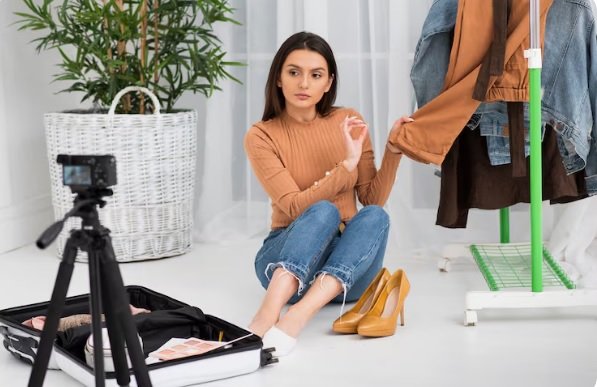
How Online Tech Is Changing New Fashion Jobs

The rise of digital tools, virtual platforms, and AI-driven solutions has reshaped the global fashion industry in ways that were unimaginable a decade ago. From the influence of social media trends to the rise of digital sampling and remote designing, technology is creating exciting opportunities—but it also introduces unique challenges for modern professionals. Whether it’s the resurgence of classics like Military Hats, the street-style revival of the bucket hat, or the impact of French fashion aesthetics on global markets, digital evolution is changing how fashion careers operate behind the scenes.
Below, we explore the top ways online technology is redefining the next wave of fashion jobs.
Instant Trend Cycles Created by Social Media
Platforms like Instagram, TikTok, and Pinterest accelerate trend updates at lightning speed. Designers and stylists must adapt quickly as micro-trends—such as vintage Military Hats or minimalist French fashion looks—go viral overnight. This creates constant pressure but endless creative inspiration.
AI-Driven Fashion Forecasting
Artificial intelligence now predicts colors, fabrics, and silhouettes months in advance. While helpful, it challenges newcomers to balance intuition with machine-generated insights. Brands increasingly rely on AI tools for demand forecasting, reducing traditional manual research.
Virtual Design and 3D Apparel Development
Digital design programs allow creators to build entire collections virtually. Tools like CLO3D and Browzwear enable sample-free production, saving time and reducing waste. New fashion professionals must master these tools to stay competitive in a rapidly evolving fashion industry.
Growth of E-Commerce and Online Merchandising
Online marketplaces have become the backbone of modern retail. This shift demands skills in product photography, SEO, UX design, and conversion-driven copywriting. Even classic styles like the street-ready bucket hat rely heavily on optimized digital listings to stand out.
The Demand for Digital Stylists and Influencer Partnerships
Digital stylists curate online wardrobes for clients worldwide, while influencers shape buying decisions more than traditional ads. Aspiring fashion professionals must understand analytics, brand collaborations, and content strategy—not just style.
Rise of Virtual Runways and Digital Fashion Shows
Online fashion weeks have replaced many traditional physical events. This creates job roles in live streaming, motion graphics, CGI, and event digitization. It also challenges professionals to deliver high-impact visuals without real-world settings.
Cybersecurity and Intellectual Property Challenges
As designs go online, risks such as plagiarism, design theft, and unauthorized reproductions grow. Protecting digital assets is now a vital part of fashion management. Brands must enforce stronger copyright measures and track digital duplicates.
Global Collaboration and Remote Fashion Teams
Designers, pattern makers, and marketers often work together from different continents. Remote collaboration enhances creativity but requires time-zone coordination, communication tools, digital etiquette, and strong project-management skills.
Sustainability Technology and Eco-Tracking Tools
Consumers increasingly prefer eco-conscious brands. Digital tools now track supply-chain waste, carbon footprint, and material sourcing. Fashion professionals must understand these systems to meet sustainability expectations.
Digital Customer Experiences and AR Try-Ons
Virtual try-on features, AR fitting rooms, and immersive shopping apps help customers visualize outfits—from tailored coats to trend-driven accessories like Military Hats—before they buy. This demands skills in UX design, AR programming, and customer psychology.
FAQs
1. How is technology helping the fashion industry grow?
It improves design accuracy, reduces waste, enhances marketing reach, and enables global collaboration.
2. Are AI tools replacing fashion designers?
No—AI assists with forecasting and efficiency, but human creativity remains irreplaceable.
3. Do fashion professionals need to learn digital tools?
Yes. Software for 3D design, e-commerce, data analytics, and AR is now essential in most fashion roles.
Conclusion
Online technology isn’t just influencing the fashion world—it’s completely reshaping it. From social-driven trend cycles to the rise of virtual design tools, professionals entering the field must embrace innovation with confidence. Whether inspired by timeless French fashion, modern streetwear, or iconic pieces like the bucket hat, success now depends on blending creativity with digital mastery.
voters
Report Story 
Related Stories
- How Gym Bro Favorite Creatine Became the New It-Girl Supplement
-
The Ultimate Guide to Styling a Bucket Hat with a...

-
How to Choose the Perfect Ear Jacket for Any Occasion

-
Gemstone Symbolism in 1700s British Engagement Rings: Love, Status &...

-
Coachella 2025: Music, Fashion, and Camping Trends Taking Over Festival...

-
Engagement Ring Trends 2024: Vintage Revival, Sustainable Choices, and Personalized...

Leave Your Comment